

Blog
Maintenance Myths: Why Electric Buses Are Easier to Manage

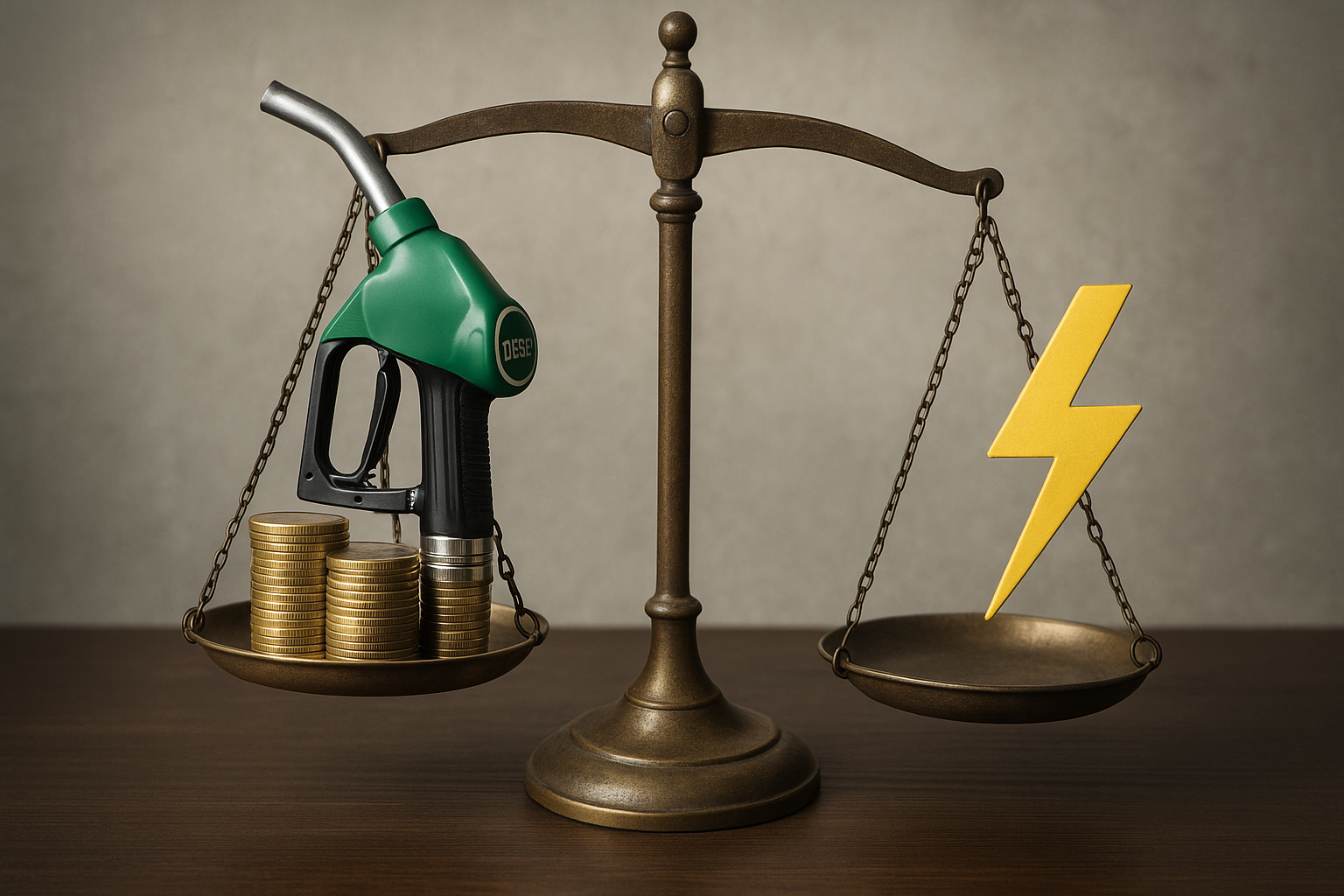
Diesel vs. Electric – What Every Fleet Owner Should Know
One of the biggest misconceptions holding transport operators back from adopting electric buses is the fear that maintenance will be more complex, expensive, or unfamiliar. But the truth is quite the opposite.
Electric buses are not only easier to manage, but they also require far less routine maintenance than their diesel counterparts. In this post, we’ll debunk the top myths and show you a side-by-side comparison of diesel vs. electric bus service requirements.
The Diesel Maintenance Reality
Traditional diesel buses rely on internal combustion engines (ICEs), which are complex machines with hundreds of moving parts. These components wear out, break down, and require frequent servicing.
Common diesel maintenance tasks include:
-
- Oil changes every 5,000–10,000 km
- Fuel filter replacements
- Timing belts and pulleys
- Gearbox and clutch servicing
- Exhaust system and emissions control
- Radiator flushes and coolant replacements
- Regular engine diagnostics and tuning
This means higher labour costs, more downtime, and more frequent visits to the workshop.
Electric Buses: A Simpler Machine
Electric buses are powered by motors with fewer than 20 moving parts, compared to over 2,000 in a typical diesel engine. There are no oil changes, no exhausts, no gearboxes, and no fuel systems to maintain.
Typical electric bus maintenance includes:
-
- Brake checks (less frequent thanks to regenerative braking)
- Tyre inspections
- Cabin and suspension system servicing
- Battery health monitoring (via software)
- Occasional software updates and diagnostics
With fewer wear-and-tear components, EVs are more predictable, more reliable, and easier to manage.
Side-by-Side Comparison
| Service Item | Diesel Bus | Electric Bus |
|---|---|---|
| Oil Changes | Every 10,000 km | ❌ Not Required |
| Engine Tune-Ups | Every 15,000–30,000 km | ❌ No Combustion Engine |
| Gearbox/Transmission Repair | Common at 150,000+ km | ❌ No Traditional Gearbox |
| Brake Replacement | Frequent (friction-based) | 🔁 Less Frequent (regen braking) |
| Emission Control Systems | Required (EGR, DPF, etc.) | ❌ Not Applicable |
| Software Updates | Minimal | ✅ Regular (via telematics) |
| Diagnostics | Manual & time-consuming | ✅ Digital & real-time |
| Downtime | High | 🔻 30–50% less |
What This Means for Your Bottom Line
On average, electric buses reduce maintenance costs by 30–50% compared to diesel buses. Over the lifespan of the vehicle, this can save hundreds of thousands of rands per bus.
Examples:
-
- Diesel maintenance cost: R100,000–R150,000/year
- Electric maintenance cost: R50,000–R70,000/year
- Savings per bus: R50,000–R80,000/year
Multiply that across a fleet of 10–20 vehicles, and you’re looking at serious cost reductions.
Common Myths — Debunked
❌ “Electric buses need more specialised mechanics.”
Truth: EV maintenance is simpler, and many OEMs offer training and support for your team.
❌ “Batteries are expensive to maintain.”
Truth: Most battery systems are warrantied for 8–10 years. Modern battery management systems (BMS) automatically monitor performance and health.
❌ “EVs are harder to fix when they break.”
Truth: Most diagnostics are digital and remote. Breakdowns are rare due to fewer mechanical parts.
Bonus: Predictive Maintenance
Electric buses come with smart telematics systems that:
-
- Send maintenance alerts
- Monitor battery performance
- Track energy usage
- Help you prevent problems before they occur
This allows for predictive maintenance, reducing emergency repairs and improving uptime.
Final Thoughts: Simpler, Smarter, Cheaper
Switching to electric buses doesn’t mean learning a whole new system—it means managing less. Less maintenance, fewer breakdowns, and more predictable costs.
If you’re tired of breakdowns, frequent oil changes, and rising diesel maintenance bills, now is the time to simplify your fleet and your business.
Ready to Switch?
We offer electric buses built for African roads—with full aftersales support, training, and affordable maintenance plans.
Email: info@alphaev.com


