

Blog
From Diesel to Electric: A Smart Roadmap for Bus Companies Going Green

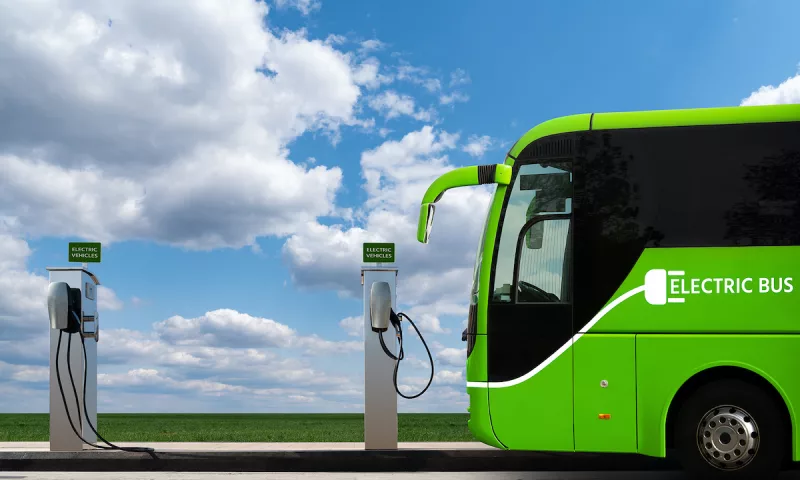
As the world accelerates toward cleaner, more sustainable transport, bus companies are under increasing pressure—and opportunity—to transition away from diesel fleets. The shift to electric buses isn’t just about the environment; it’s a strategic business decision with long-term financial, operational, and reputational benefits.
If you’re a bus operator considering electrifying your fleet, this guide will help you understand the why, how, and what’s next.
🚀 Why Switch to Electric Buses?
-
- Save Big on Operating Costs
Electric buses cost up to 40% less to operate over time. Electricity is cheaper than diesel, and EVs have far fewer moving parts—no oil changes, no gearboxes, less brake wear. - Reduced Maintenance
Expect to save 30–50% on maintenance costs. With regenerative braking and simplified drivetrains, electric buses spend more time on the road and less in the workshop. - Future Compliance & Clean Air
Many governments are introducing low-emission zones, stricter fuel regulations, and carbon taxes. Switching to electric buses now ensures you’re compliant in the future. - Public Image & ESG
Passengers prefer eco-friendly options. Transitioning to electric enhances your brand image, improves your Environmental, Social, and Governance (ESG) score, and opens doors to corporate contracts and green finance.
- Save Big on Operating Costs
🧭 Step-by-Step Transition Strategy
Switching an entire fleet isn’t an overnight job. Here’s how to do it smartly:
1. Start with a Pilot Project
Introduce 1–5 electric buses on short, high-frequency routes. Monitor performance, charging needs, and passenger feedback. This data informs larger rollout decisions.
2. Audit Your Current Fleet
Assess the age, condition, and emissions of your diesel buses. Older, high-mileage vehicles can be retired or sold to fund new EVs. Mid-life buses might be converted to electric.
3. Phase Out, Don’t Throw Out
Plan a phased retirement strategy:
-
- Keep efficient combustion buses in operation temporarily.
- Use them as backup for longer routes.
- Convert selected models if conversion kits are available and cost-effective.
4. Install Charging Infrastructure
Set up depot-based charging and, where possible, partner with municipalities or developers for public or solar-powered charging stations.
5. Train Drivers & Technicians
Electric buses handle differently and require new maintenance skills. Partner with OEMs or local colleges for driver retraining and EV technician upskilling.
💸 How Much Money Can You Save?
Let’s break it down with a conservative example:
| Item | Diesel Bus | Electric Bus |
|---|---|---|
| Fuel Cost (per year) | R400,000 | R120,000 |
| Maintenance (per year) | R120,000 | R60,000 |
| Avg. Lifespan | 12 years | 15 years |
| Emissions | High | Zero |
Savings per bus: ~R340,000 per year
Over a 10-bus fleet: R3.4 million/year saved
Other Things to Know
-
- Range Planning Matters: Know your route lengths and topography. Most modern electric buses offer 200–300 km range on a single charge.
- Battery Recycling & Second Life: After 8–10 years, EV batteries can be reused for stationary storage or recycled.
- Solar Charging Is a Game-Changer: Off-grid solar charging drastically reduces electricity costs and boosts energy independence.
🌍 Final Thoughts: The Road to a Cleaner, Smarter Fleet
Transitioning to electric buses isn’t just about keeping up—it’s about leading the way in sustainable transport. With the right strategy, partnerships, and financial planning, your company can reduce costs, increase reliability, and position itself as a forward-thinking operator.
The future of transport is electric. Start your journey today.
Want help planning your fleet transition?
Contact our team for a free electrification assessment and demo ride of the latest electric bus models.
📧 Email: info@alphaev.com


